What to Expect in Your First Applied Behavior Analysis (ABA) Therapy Session at CV Lighthouse

Stephanie Rosales • February 24, 2026

Starting applied behavior analysis therapy is an important step for your child and your family. If you’re feeling hopeful, nervous, or simply unsure of what to expect, you’re not alone. Many parents have questions before their first ABA therapy session — and that’s completely normal.


At CV Lighthouse, the goal of your first session is simple: to build trust, gather information, and begin creating a personalized plan that supports your child’s growth. Here’s a detailed look at what that process typically involves.


What Is Applied Behavior Analysis Therapy?


Applied behavior analysis therapy (ABA therapy) is a research-based approach designed to help individuals develop meaningful skills and reduce behaviors that interfere with daily life. ABA therapy is widely recognized as an effective treatment for individuals with autism spectrum disorder (ASD).


Through structured strategies and positive reinforcement, applied behavior analysis therapy can support development in areas such as:

  • Communication and language
  • Social interaction
  • Daily living skills
  • Emotional regulation
  • Academic readiness
  • Adaptive behavior


At CV Lighthouse, ABA therapy programs are individualized, meaning every child’s treatment plan is built around their unique strengths, challenges, and goals.


Before Your First ABA Therapy Session


Your first in-person therapy session usually follows an intake and assessment process. This ensures the therapy plan is tailored to your child’s needs from the very beginning.


Initial Consultation


The process often begins with a consultation where you’ll discuss:

  • Your child’s developmental history
  • Current concerns
  • Previous diagnoses or evaluations
  • Family goals and priorities
  • Insurance and authorization details


This is also your opportunity to ask questions about applied behavior analysis therapy and learn how CV Lighthouse structures its programs.


Comprehensive Assessment


Before formal treatment begins, a Board Certified Behavior Analyst (BCBA) conducts an assessment. This may include:

  • Observing your child in structured and natural settings
  • Identifying strengths and skill gaps
  • Evaluating communication abilities
  • Reviewing behavior patterns
  • Gathering caregiver input


The assessment helps determine which goals should be prioritized and how therapy sessions will be structured.


What Happens During Your First ABA Therapy Session?


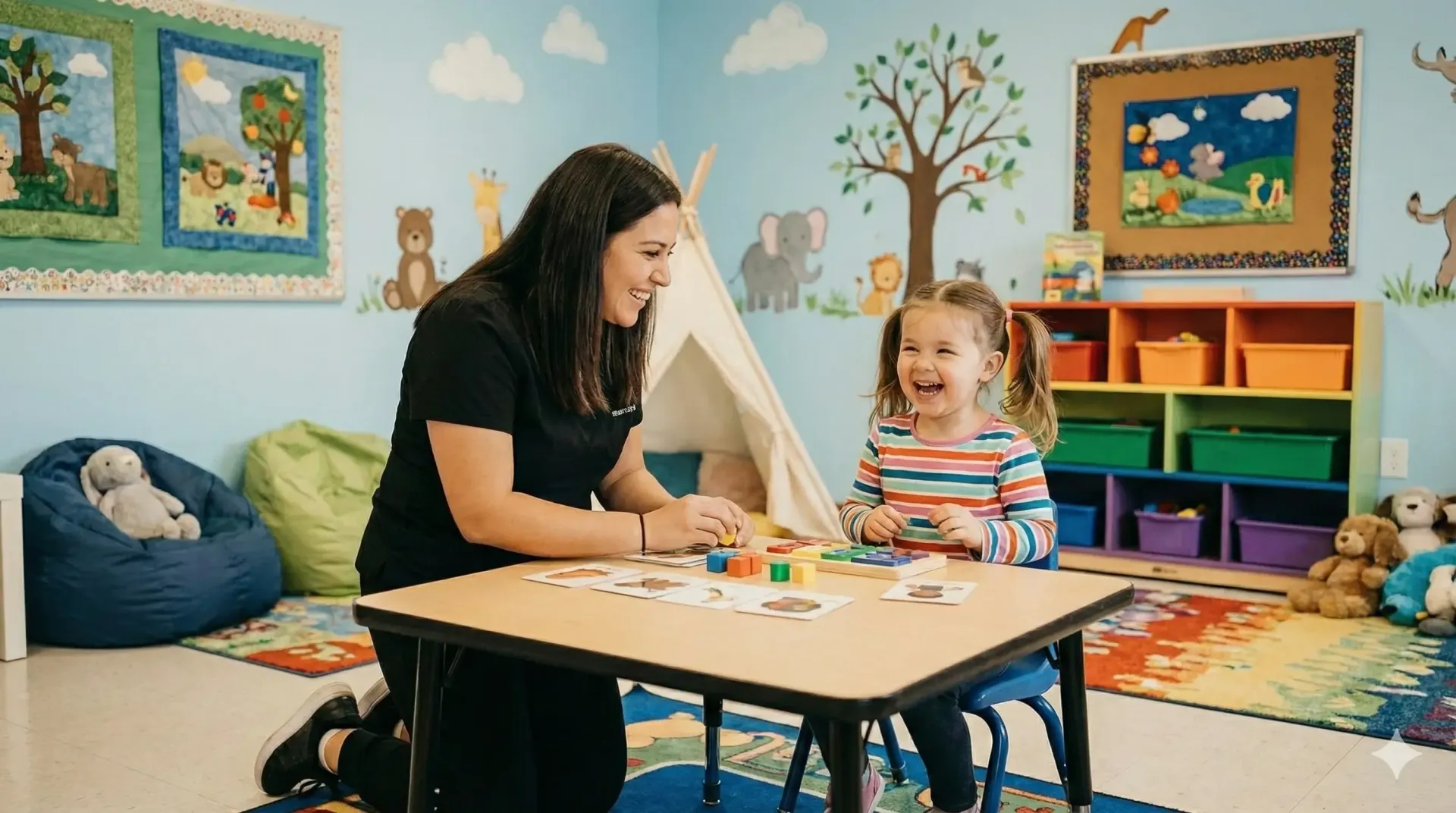
The first session is focused primarily on relationship building and gentle engagement. Rather than jumping into intensive instruction, therapists work to create a positive and supportive environment.


Here’s what you can typically expect.


1. Meeting the Therapy Team


Your child will meet members of the clinical team, which may include:

  • A Board Certified Behavior Analyst (BCBA) who oversees treatment planning
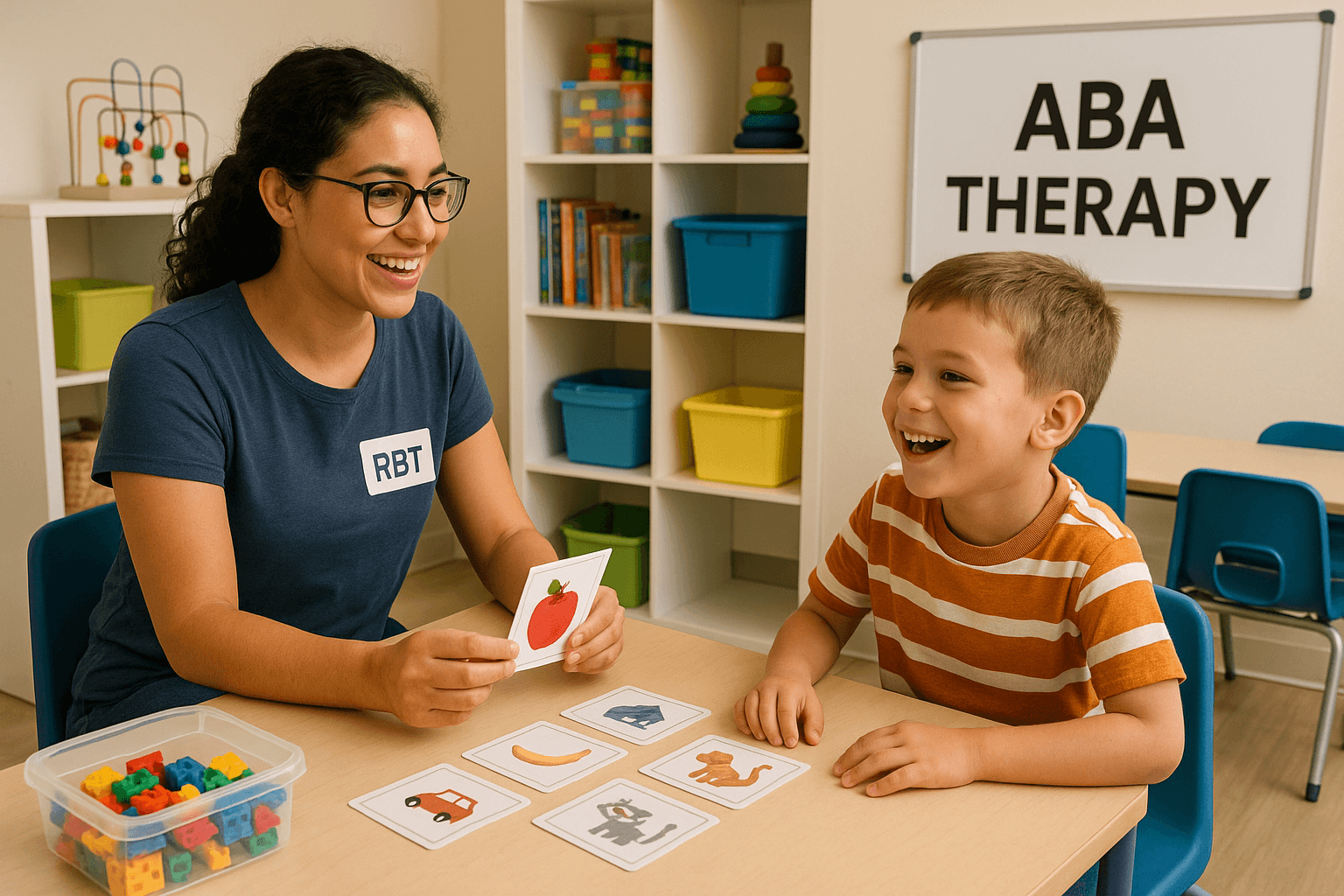
  • A Registered Behavior Technician (RBT) who provides direct one-on-one therapy


Therapists take time to introduce themselves in a calm, welcoming way. Establishing comfort and trust is essential in applied behavior analysis therapy, especially during the first visit.


2. Building Rapport


The early part of ABA therapy often focuses on rapport building. This means:

  • Learning your child’s interests
  • Engaging in preferred activities
  • Creating positive associations with the therapy environment
  • Reinforcing cooperation in small, manageable ways


This foundation is critical. When a child feels safe and understood, skill development becomes much more effective.


3. Observation and Baseline Data Collection


During the first ABA therapy session, therapists may collect baseline data. This simply means observing how your child performs certain skills before formal instruction begins.


For example, they might assess:

  • How your child requests items
  • Ability to follow simple directions
  • Social engagement
  • Response to structured tasks


This information allows the team to measure progress accurately over time.


4. Beginning Simple Skill Targets


Depending on the child’s comfort level, therapists may begin introducing basic skill-building activities. These are often short, engaging, and highly reinforced to maintain motivation.


Examples might include:

  • Practicing simple communication requests
  • Matching or sorting tasks
  • Turn-taking games
  • Following one-step directions


The pace is individualized. Some children move quickly into structured work, while others need additional sessions focused on comfort and rapport.


The Role of Parents and Caregivers


Family involvement is a central part of applied behavior analysis therapy. During your first session, you may:

  • Observe parts of the session
  • Share insights about what works at home
  • Discuss specific goals you’d like prioritized
  • Learn how reinforcement strategies are used


Parent collaboration helps ensure that skills learned in therapy transfer to everyday life. CV Lighthouse emphasizes communication and partnership so families feel informed and supported throughout the process.


How Goals Are Developed After the First Session


Following assessment and initial sessions, the BCBA develops a formal treatment plan. This plan outlines:

  • Target skills
  • Behavior reduction strategies (if needed)
  • Measurable objectives
  • Recommended therapy hours
  • Progress monitoring methods


Common goals in applied behavior analysis therapy may focus on:

  • Increasing functional communication
  • Reducing unsafe behaviors
  • Building social interaction skills
  • Teaching independence in daily routines


Your input remains central to this process. Goals are designed not only to address clinical needs but also to support your family’s daily life.


Frequently Asked Questions About the First ABA Therapy Session


How long is the first session?


The length varies depending on your child’s treatment plan, but initial sessions are often structured to prioritize comfort and engagement rather than intensity.


Should I stay during the session?


In many cases, parents are encouraged to observe or participate, especially early in the process. The clinical team will guide you on what’s most appropriate for your child.


What should I bring?


Helpful items may include:

  • Preferred toys or comfort objects
  • Snacks (if appropriate)
  • Any relevant medical or evaluation documents
  • A list of questions or concerns


Will my child be overwhelmed?


The first ABA therapy session is intentionally designed to reduce stress. Therapists move at your child’s pace and adjust strategies based on their responses.


How to Prepare for Your First ABA Therapy Visit


To make the transition smoother:

  • Talk positively about therapy beforehand.
  • Maintain normal routines when possible.
  • Share detailed information about your child’s preferences and triggers.
  • Arrive a few minutes early to allow for a relaxed start.

Remember, applied behavior analysis therapy is a process. Progress happens over time, and the first session is just the beginning.


A Supportive Start at CV Lighthouse


Beginning applied behavior analysis therapy can feel like a big step — but you don’t have to navigate it alone. The first session at CV Lighthouse focuses on understanding your child, building trust, and setting the stage for meaningful growth.


With individualized planning, compassionate clinicians, and a structured, evidence-based approach, ABA therapy can provide the tools your child needs to thrive at home, in school, and in the community.


If you’re ready to learn more about applied behavior analysis therapy at CV Lighthouse, reach out today to schedule a consultation and take the next step toward supportive, personalized care.



By Stephanie Rosales January 12, 2026
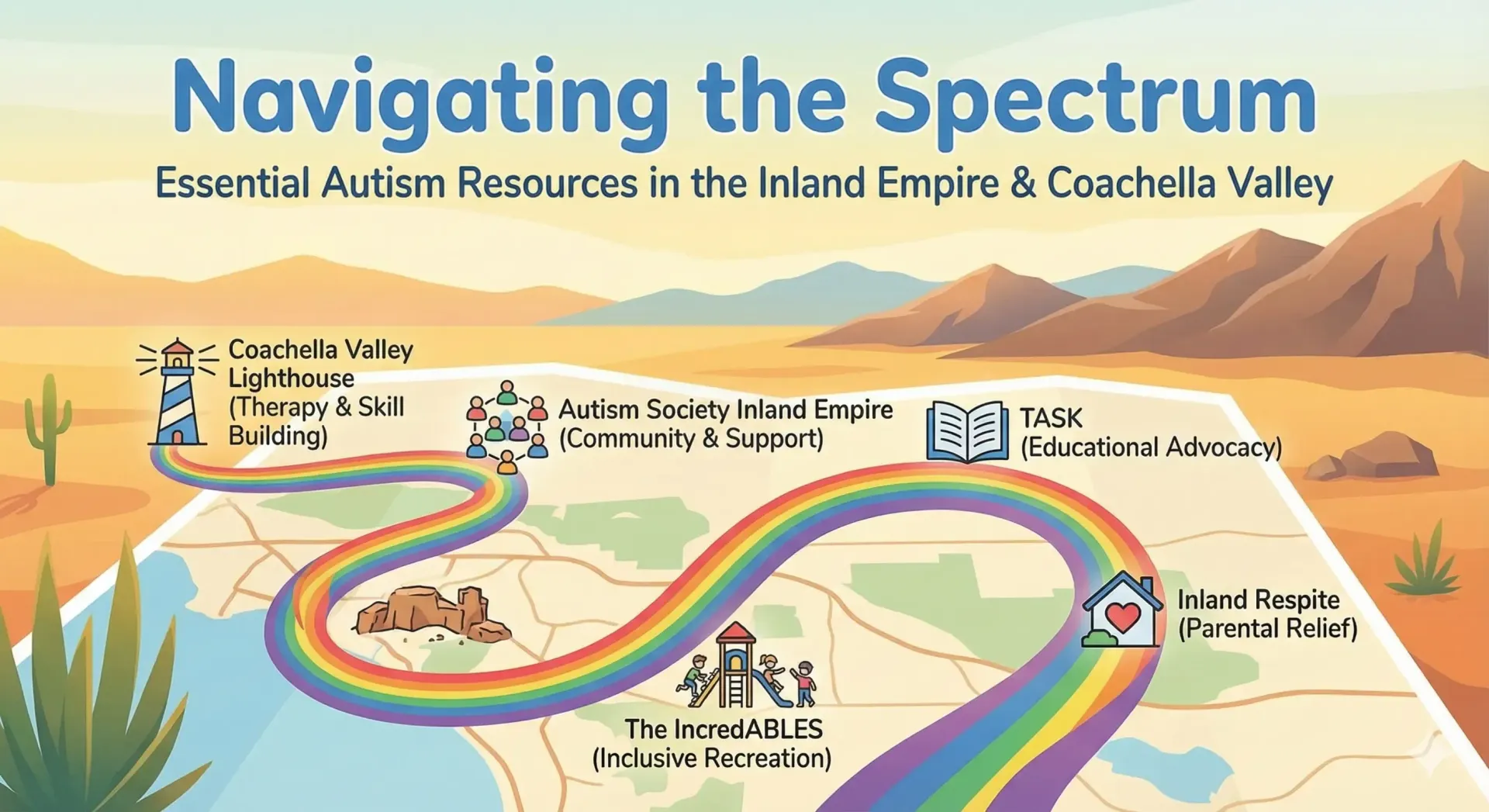
From foundational therapy to inclusive recreation and educational advocacy, here is a guide to the local organizations helping families thrive in Riverside and San Bernardino Counties. If you are raising a child on the autism spectrum in the sprawling Inland Empire, you know that "local" can mean anything from the high desert to the vineyards of Temecula or the heart of the Coachella Valley. The geography is vast, and navigating the maze of available services can sometimes feel overwhelming. Families often tell us they feel like they are reinventing the wheel, spending hours searching for trusted providers, accessible activities, or someone to help them understand an IEP. At Coachella Valley Lighthouse, we believe that thriving on the spectrum requires a holistic ecosystem of support. While therapy is often a crucial cornerstone, families also need community connection, strong advocacy in schools, and opportunities for pure fun. We have compiled a list of essential resources across the Inland Empire—including our own services—to help your family build that ecosystem. 1. Foundational Skill Building: Coachella Valley Lighthouse For many families following a diagnosis, the first priority is finding the right therapeutic partner to help their child develop communication, social, and adaptive skills. We are proud to be a leading resource in this area for families in the Coachella Valley and surrounding Inland Empire regions. At Coachella Valley Lighthouse , we specialize in Applied Behavior Analysis (ABA) therapy. But we don't believe in a one-size-fits-all approach. Our focus is on creating highly personalized programs that respect the individuality of your child. We work to build foundational skills—like functional communication and emotional regulation—that open doors to greater independence and participation in the community. Whether in your home, remotely, or in community settings, our goal is to be the guiding light on your family's unique journey. Learn more about our approach to ABA therapy on our homepage . 2. The Information Powerhouse: Autism Society Inland Empire (ASIE) If CV Lighthouse is your partner in skill-building, think of the Autism Society Inland Empire as your central intelligence hub for the entire region. ASIE is arguably the most comprehensive connector for families in Riverside and San Bernardino counties. They are essential for reducing the isolation many parents feel. Their "Resource Specialists" are real people you can call when you hit a brick wall trying to find services. Furthermore, their events, like "Talk to Me Tuesday" support groups, allow parents to swap tips on everything from sensory-friendly dentists to navigating insurance hurdles. Visit their resource library at ieautism.org . 3. Educational Advocacy: Team of Advocates for Special Kids (TASK) Once your child enters the school system, the IEP (Individualized Education Program) becomes a central part of your life. Navigating school districts and ensuring your child receives the accommodations they are federally entitled to can be incredibly stressful. You do not have to do it alone. TASK is a nonprofit Parent Training and Information Center that serves the IE. They provide workshops and information to help parents understand their rights under the Individuals with Disabilities Education Act (IDEA). Before you walk into a difficult IEP meeting, connect with TASK to ensure you are prepared to be your child’s best advocate. Find their Inland Empire resources at taskca.org . 4. Inclusive Recreation: The "IncredABLES" Program Therapy and school are vital, but kids also need to just be kids without pressure. Finding truly inclusive recreational activities, however, can be a challenge. The City of Rancho Cucamonga has set a gold standard in the IE with their "IncredABLES" program. They offer adaptive sports leagues, dances, Friday night social clubs, and camps designed specifically for individuals with special needs. It is a fantastic way for children and teens to practice social skills in a natural environment and, most importantly, make friends and have fun. Check out their current activity guide on the City of Rancho Cucamonga website . 5. Parental Respite: Inland Respite  Autism parenting is a marathon, not a sprint. Burnout is a very real challenge, and to take the best care of your child, you must take care of yourself. "Respite care" provides temporary relief for primary caregivers. Unlike typical babysitting, agencies like Inland Respite employ caregivers trained to support individuals with developmental disabilities. Utilizing respite allows parents time to recharge, run errands, or spend time with other siblings, knowing their child is in safe, capable hands. Note: Many families access respite funding through the Inland Regional Center (IRC). Learn more about their services at inlandrespite.com . Building Your Village The journey through the spectrum is unique for every family, but it should never be a lonely one. By combining skill-building therapies with strong community advocacy and inclusive recreation, we can create an environment where individuals with autism thrive. If you are looking for a partner to begin building foundational skills for your child, we are here to help. Contact Coachella Valley Lighthouse today to learn more about our services and how we can support your family.
center based aba therapy
By Stephanie Rosales January 12, 2026
Unlock the science of behavior at home. Here are 5 easy-to-use ABA strategies to help your child thrive, from "First/Then" to positive reinforcement.
aba therapy happening in center
By Stephanie Rosales November 23, 2025
Confused by autism therapy options? We compare ABA therapy vs. Speech, OT, and Floortime to help parents make the best choice. Learn why ABA is the gold standard.
aba therapy session
By Stephanie Rosales October 23, 2025
As parents, it’s natural to wonder whether your child needs ABA therapy. Let's discuss some signs that could indicate it's time to get ABA therapy.
aba therapy session
By Stephanie Rosales September 10, 2025
Learn what ABA therapy is, how it works, and the benefits for children with autism. CV Lighthouse offers compassionate, individualized ABA therapy to help families in Riverside, San Bernardino, and Imperial County.
RBT in Palm Springs providing ABA therapy.
By Stephanie Rosales August 10, 2025
Help your child adapt to change with proven ABA therapy techniques. Learn strategies like visual schedules, social stories, and positive reinforcement.
By Stephanie Rosales July 9, 2025
Understanding and reducing aggressive behavior in children with autism is possible with Applied Behavior Analysis (ABA). Learn how ABA's evidence-based strategies, from functional behavior assessment to teaching replacement behaviors, can help your child and family.
By Stephanie Rosales July 9, 2025
Discover why parent involvement in ABA therapy is critical for your child’s success. Learn how families can actively support autism treatment and long-term progress.
By Stephanie Rosales May 12, 2025
The body content of your post goes here. To edit this text, click on it and delete this default text and start typing your own or paste your own from a different source.
Discover how play-based ABA therapy transforms learning for children with ASD. CV Lighthouse uses fu
By Stephanie Rosales May 5, 2025
Discover how play-based ABA therapy transforms learning for children with ASD. CV Lighthouse uses fun, engaging activities to develop essential life skills. Contact us for a consultation!