The Power of Routine: How ABA Therapy Builds Consistency for Lasting Success
Parents navigating the world of Applied Behavior Analysis (ABA) therapy for their children are often introduced to a foundational concept: consistency. ABA therapy, recognized for its evidence-based techniques, aims to improve various skills, behaviors, and learning capabilities, particularly in children on the autism spectrum. However, achieving lasting results depends on more than just individual therapy sessions. A key element that significantly amplifies the effectiveness of ABA therapy is routine.
Establishing consistency through routines allows children to develop structure, reduce anxiety, and progress in their skills and behaviors. In this comprehensive guide, we will explore the role of routine in ABA therapy, how it benefits children with autism, and provide practical strategies for parents to implement ABA-based routines in everyday life.
The Importance of Consistency in ABA Therapy
ABA therapy is designed to promote meaningful behavior change through structured, systematic interventions. Consistency is critical because it provides predictability, which is especially beneficial for children on the autism spectrum. Here’s why consistency matters:
Predictability Reduces Anxiety
Children with autism often find comfort in routines and structure. A predictable environment helps them understand what is expected of them and reduces the anxiety that can arise from uncertainty or sudden changes. By reinforcing routines both in therapy and at home, parents can create a more calming environment for their children.
Reinforcing Positive Behaviors
In ABA, behaviors are shaped through reinforcement, a process in which desired behaviors are rewarded to increase their frequency. For reinforcement to be effective, it must be consistently applied. Inconsistent reinforcement can lead to confusion and potentially reinforce unwanted behaviors.
Generalization of Skills
A key goal of ABA is for children to generalize the skills they learn in therapy to other settings, such as home, school, or community environments. Consistent routines help with this by allowing the child to practice the same skills across different contexts, increasing the likelihood that those skills will become habitual.
The Role of Routine in ABA Therapy
Routines play an integral role in ABA therapy. When routines are well-established, children are able to anticipate what is coming next, making transitions smoother and reducing behavioral challenges. Here’s how routines and ABA therapy work hand-in-hand:
Setting Expectations
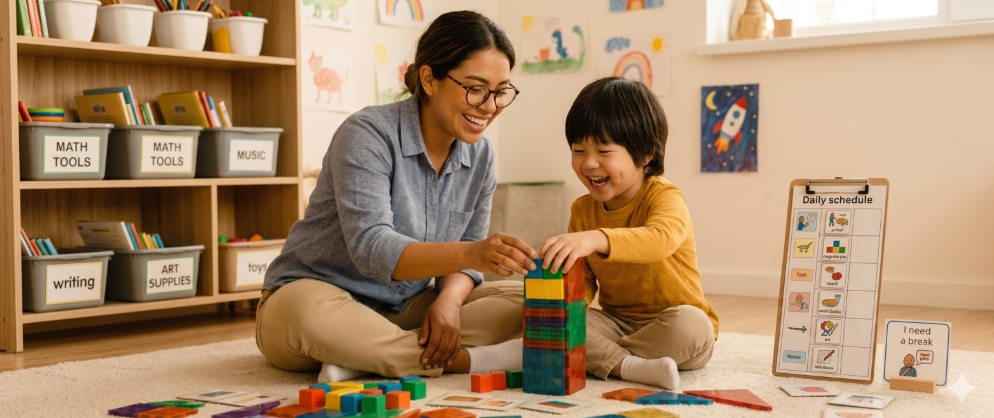
Routines help children understand what to expect throughout their day. ABA therapists often use visual schedules, timers, and other tools to create a structured routine during therapy sessions. These tools can be carried over into home routines to provide continuity.
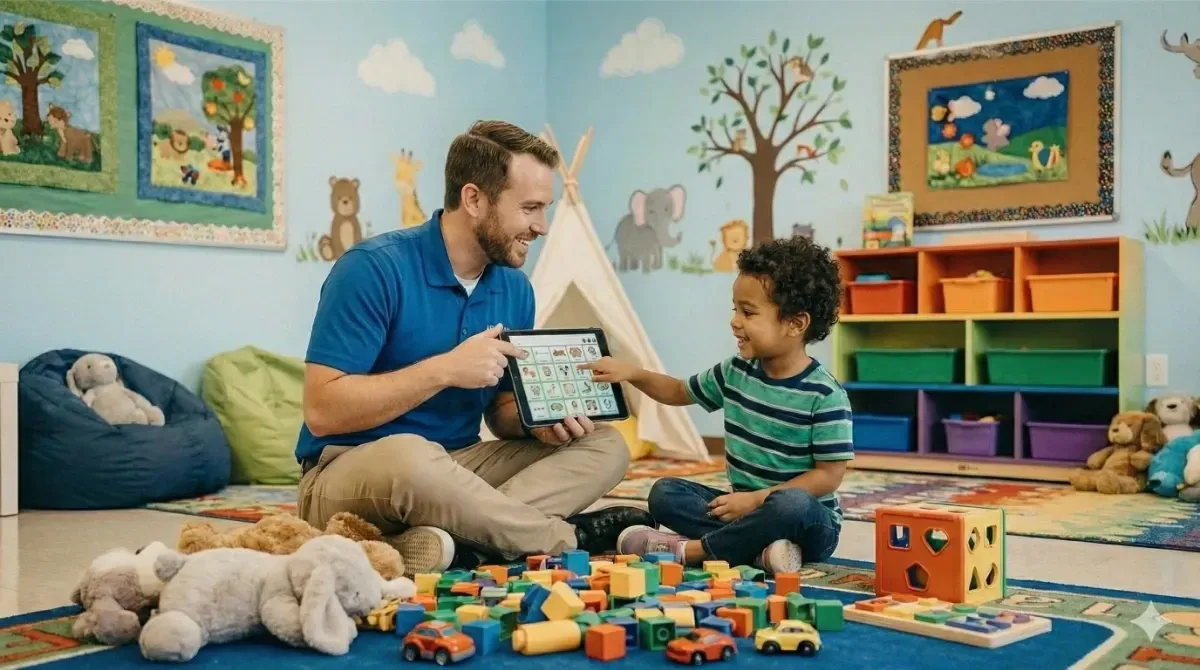
For example, if a child is learning to improve their communication skills during therapy, incorporating structured communication practice into the home routine allows the child to continue developing these skills outside of therapy. This kind of consistency reinforces the learning process.
Creating a Safe and Predictable Environment
Many children on the autism spectrum thrive in environments where the day’s activities are predictable. ABA therapy often includes routines within sessions to provide structure. By creating similar routines at home, parents can provide a stable environment where the child feels safe and supported, which reduces the likelihood of meltdowns or other challenging behaviors.
Enhancing Transition Management
Transitions can be difficult for children with autism. Whether it's moving from one activity to another or transitioning between environments (e.g., from home to school), changes can be overwhelming. ABA therapists often work on creating routines for transitions, such as using countdowns or visual cues, to make them smoother. Incorporating these strategies into daily home routines helps reinforce their effectiveness.
Building Effective Routines at Home
Establishing routines at home doesn’t have to be overwhelming. In fact, it can be an empowering way to support your child’s development. Here are some key strategies for creating effective routines that align with ABA principles.
Start Simple
When building a routine, it’s important to start with the basics. Choose a few core activities that occur every day, such as mealtime, bath time, or bedtime, and build a routine around them. For example, if your child struggles with bedtime, establish a bedtime routine that follows the same steps each night, such as brushing teeth, reading a story, and then going to bed.
Use Visual Schedules
Visual schedules are powerful tools in ABA therapy and can easily be integrated into home routines. Create a visual representation of your child’s daily routine, using pictures or symbols to represent each activity. This helps children with limited verbal communication skills understand what will happen next and provides them with a sense of control over their day.
Incorporate Reinforcement
Just as in ABA therapy, reinforcement is essential in creating effective home routines. Provide positive reinforcement when your child completes a task or follows a routine. Reinforcements can include verbal praise, a favorite activity, or a small reward. Consistent reinforcement helps your child understand that following routines leads to positive outcomes.
Plan for Transitions
Transitions can be one of the most challenging aspects of routine-building for children with autism. To ease transitions, use strategies commonly employed in ABA therapy, such as countdowns, visual timers, or verbal cues. Giving your child a five-minute warning before transitioning to a new activity allows them time to mentally prepare for the change.
Be Consistent, but Flexible
While consistency is key, it’s also important to remain flexible. Life is unpredictable, and routines can occasionally be disrupted. ABA therapy teaches parents how to be adaptive and patient. If the routine is disrupted, maintain as much consistency as possible and return to the established routine as soon as things settle down. A balance between consistency and flexibility helps prevent stress for both parents and children.
The Science Behind ABA and Routine
The connection between ABA and routine is deeply rooted in behavioral science. ABA is based on the principles of behaviorism, which focuses on understanding and changing behavior through reinforcement and consequences. Here’s how routines align with ABA principles:
Operant Conditioning
At the heart of ABA is operant conditioning, a method of learning that occurs through rewards and punishments. In the context of routine, operant conditioning helps children learn to associate positive outcomes (such as praise or rewards) with following a routine. Over time, this strengthens desired behaviors, such as completing tasks or following instructions.
Behavior Chains
Behavior chains refer to sequences of actions that are linked together, with each action leading to the next. In ABA therapy, routines are often broken down into smaller steps, known as task analyses, to help children complete complex activities, such as getting dressed or preparing for school. By breaking routines into manageable steps, parents can reinforce each individual behavior within the chain, gradually helping the child build independence.
Motivation and Engagement
Routines that are built around a child’s interests and motivations are more likely to be successful. ABA therapists often incorporate a child’s preferred activities into therapy sessions as a way to keep them engaged. Parents can apply the same approach at home by structuring routines around activities that the child enjoys. This not only encourages participation but also creates positive associations with the routine itself.
Challenges in Maintaining Consistency and How to Overcome Them
While the benefits of consistency and routine in ABA therapy are clear, maintaining that consistency can be challenging, especially for busy families. Here are common obstacles parents may face and tips for overcoming them:
Time Constraints
Between work, school, and other responsibilities, it can be difficult to maintain a consistent routine. However, consistency doesn’t mean that every minute of the day needs to be scheduled. Focus on creating a few key routines around important activities, such as mealtimes, morning routines, and bedtime.
Disruptions to Routine
Unexpected changes, such as vacations, illnesses, or special events, can disrupt established routines. When this happens, try to maintain consistency in some parts of the day. For example, even if you’re traveling, you can keep a consistent bedtime routine. The goal is to create as much structure as possible, even in the face of disruptions.
Behavioral Challenges
If your child is resistant to following a routine, it’s important to remain patient and seek guidance from your ABA therapist. ABA therapy often involves behavior intervention plans (BIPs) that are tailored to address specific behavioral challenges. Your therapist can help you implement strategies at home to support your child in following routines.
Build Consistency for Lasting Growth with Coachella Valley Lighthouse
ABA therapy and routine work hand-in-hand to provide children with autism the structure and support they need to thrive. By building consistency into everyday life, parents can reinforce the skills their child learns in therapy and create an environment where progress is possible.
While establishing routines requires effort and patience, the long-term benefits are worth it. With consistency, children can develop independence, reduce anxiety, and build the skills they need to succeed both in therapy and in everyday life.
For families seeking ABA therapy services and guidance on how to implement effective routines, the team at Coachella Valley Lighthouse is here to help. Call us today at 760-625-0951 to learn more about how ABA therapy can support your child’s growth and development.
FAQs
Why is consistency important in ABA therapy?
Consistency is crucial in ABA therapy because it provides predictability, which helps reduce anxiety in children with autism. Consistent routines reinforce positive behaviors, making it easier for children to understand expectations. It also helps generalize skills learned in therapy to other settings, like home and school, ensuring that progress continues outside of therapy sessions.
How do routines benefit children with autism?
Routines provide structure, which allows children with autism to feel secure and anticipate what will happen next. This reduces anxiety, improves transitions between activities, and helps children become more independent. Consistent routines at home complement ABA therapy, reinforcing the behaviors and skills learned in therapy.
What strategies can parents use to create effective routines at home?
Parents can start by implementing simple, consistent routines around key daily activities, like mealtime or bedtime. Using visual schedules, reinforcing positive behavior, and planning for transitions (such as using countdowns or timers) are key strategies. Consistency is important, but flexibility is also essential to accommodate unexpected changes.
How do ABA principles like reinforcement apply to routines?
In ABA, reinforcement strengthens desired behaviors by providing positive outcomes when those behaviors are displayed. In routines, reinforcement can be applied by praising or rewarding a child when they complete tasks or follow the routine. This encourages the child to repeat the behavior, reinforcing positive habits and skills learned in therapy.