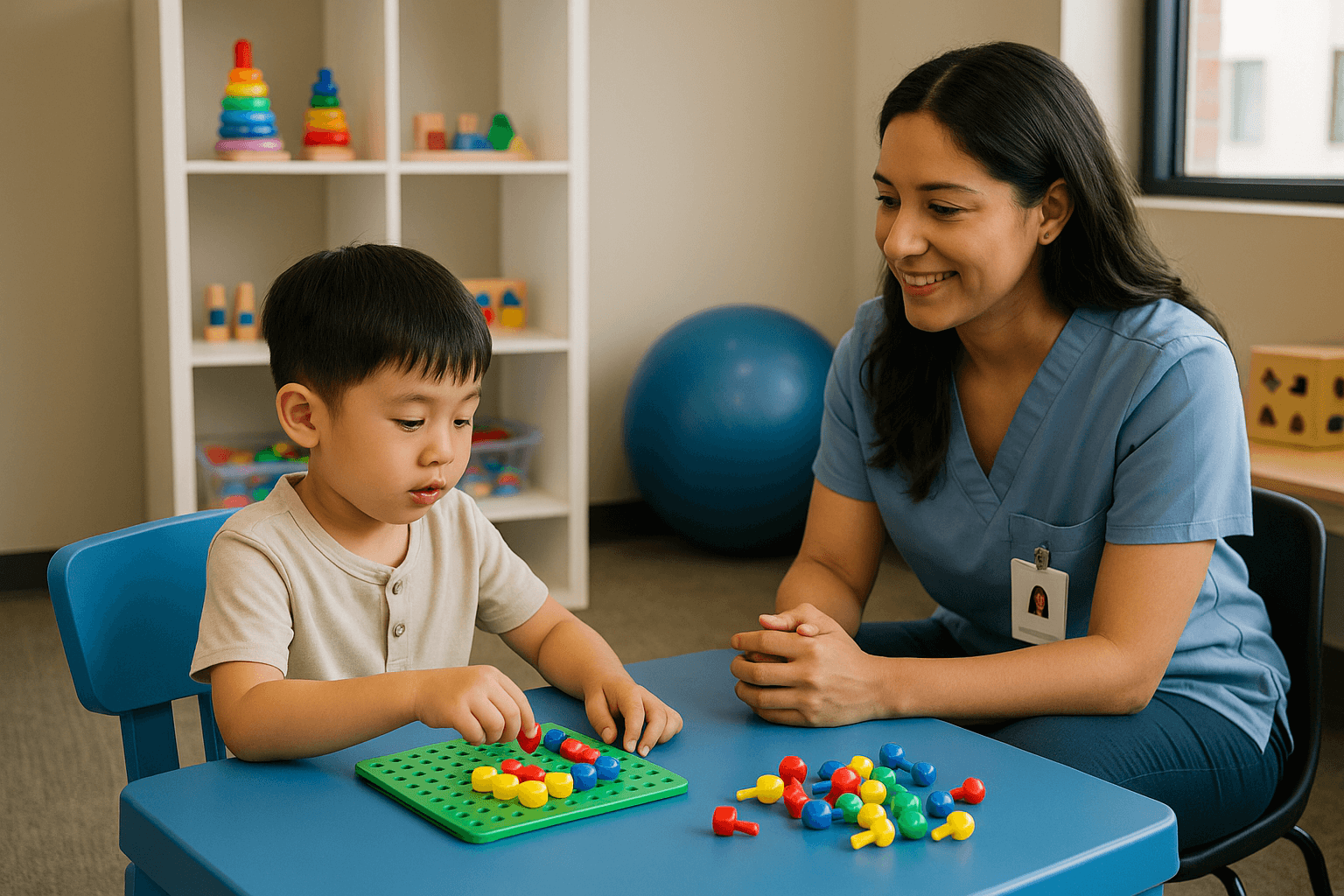
From the Playground to the Classroom: How ABA Therapy Empowers Children to Succeed in School
Transitioning into a school environment is a monumental shift for any child. For children with Autism Spectrum Disorder (ASD) or other developmental differences, the modern classroom can be a sensory and social challenge. From the loud bell signaling a transition to the complex unwritten rules of the playground, the "hidden curriculum" of school requires a high level of executive functioning and emotional regulation.
At CV Lighthouse, we utilize Applied Behavior Analysis (ABA) as a bridge. ABA isn’t just about "correcting behavior"; it is a clinical, data-driven science focused on teaching the foundational skills a child needs to navigate the academic and social demands of school with independence.
Here is an in-depth look at how ABA strategies translate into classroom success.
1. Mastering the Art of Transitions
A typical school day is a series of "stops" and "starts." Moving from a preferred activity (like recess) to a non-preferred one (like math) is a frequent trigger for meltdowns because change can feel overwhelming.
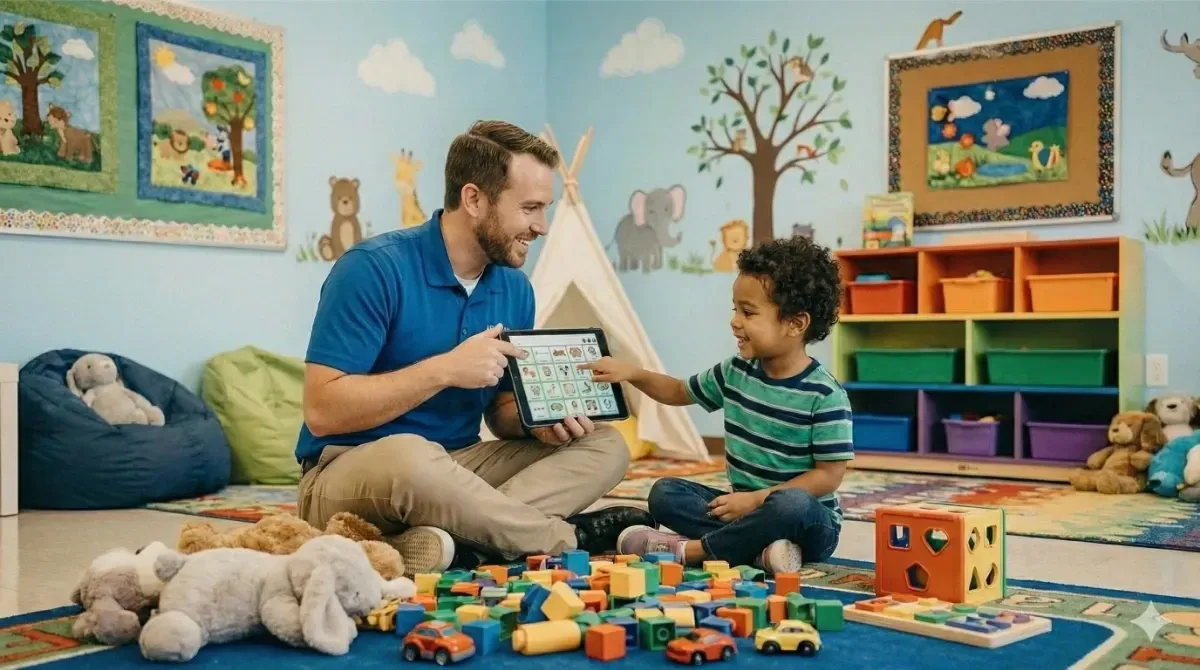
- The Strategy: CV Lighthouse therapists use Visual Supports and Priming to make abstract time feel concrete. By showing a child a picture schedule, they know exactly what is happening next.
- The School Benefit: Instead of feeling blindsided by a change in routine, a child recognizes the "First/Then" Method. They understand that First we finish the worksheet, Then we get a snack or screen time. This reduces anxiety and keeps the child in a "ready-to-learn" state.
2. Functional Communication: Replacing Frustration with Expression
Many classroom behavioral challenges stem from a communication deficit. If a child cannot express that a task is too hard or that they are overstimulated, they may resort to tantrums or aggressive behavior to escape the situation.
- The Strategy: We use Functional Communication Training (FCT) to teach children to advocate for their needs. This might involve words, signs, or communication devices.
- The School Benefit: By teaching a child to say "I need a break" or "Help, please," we replace "problem behaviors" with "functional behaviors." This allows teachers to focus on instruction rather than crisis management.
3. Task Analysis: Breaking Down the Academic Day
Large instructions like "Get ready for art" can be overwhelming. A child might stay frozen at their desk because they don't know where to start.
- The Strategy: Task Analysis involves breaking a complex skill into small, manageable steps (a process called chaining).
- Step 1: Put away your pencil.
- Step 2: Stand up quietly.
- Step 3: Walk to the art table.
- The School Benefit: This builds behavioral momentum. Success with the first small task fuels the energy for the second, leading to total independence in following multi-step classroom directions.
4. Generalization: Learning Beyond the Therapy Room
A common hurdle is when a child performs a skill for a therapist but struggles to do it for a teacher. At CV Lighthouse, our focus is on Generalization—ensuring skills work in the "real world."
- The Strategy: We vary the instructors and settings during therapy. We also emphasize Parent Involvement, teaching you to use the same strategies at home that the therapists use in the clinic.
- The School Benefit: When a child learns that "Quiet Hands" earns Positive Reinforcement (like a favorite sticker or extra playtime) in the clinic, at the dinner table, and at their school desk, the behavior becomes a permanent part of their toolkit.
5. Social Fluency and Peer Interaction
The playground is often the most stressful part of the day. Navigating "joint attention" (looking at what the teacher is pointing to) and "turn-taking" are complex social skills that don't always come naturally.
- The Strategy: Using Social Stories and Role-Playing, we rehearse social encounters in a safe environment. We use reinforcement to "catch them being good"—rewarding the child immediately when they wait their turn or engage in back-and-forth play.
- The School Benefit: These practiced interactions lower social anxiety, allowing the child to form meaningful connections with classmates and participate in group learning.
Is Your Child Ready for the Next Step?
Early intervention—ideally before age five—can have a lasting positive impact on a child's growth and independence. If you notice your child struggling with eye contact, following simple directions, or handling changes in routine, it may be time for a professional evaluation.
At CV Lighthouse, our Board Certified Behavior Analysts (BCBAs) create personalized plans that meet your child exactly where they are. We serve families across Riverside, San Bernardino, and Imperial Counties, providing compassionate, evidence-based care.
Ready to help your child shine in the classroom?
Contact CV Lighthouse todayto schedule a consultation and learn how our ABA programs can support your family’s journey.