Autism Meltdown vs. Temper Tantrum: Why the Difference Changes How You Respond
In a grocery store line, during a classroom transition, or right after a long day at school, it is not always obvious whether you are looking at an autism meltdown vs temper tantrum. For caregivers and educators, that uncertainty can feel intense. When a child is crying, yelling, dropping to the floor, or trying to get away, the most important question is not “What do I call this?” It is “What does this moment need from me?”
The reason that distinction matters is simple: the wrong response can make the situation harder. If a child is overwhelmed and losing control, more demands, more talking, or public correction can increase distress. If a child is testing a limit or protesting a boundary, support may still matter, but the response will usually look different. Many real-life moments include frustration, fatigue, sensory strain, communication difficulty, and transition stress all at once, so the goal is not perfect labeling. The goal is choosing the response that lowers harm, protects dignity, and helps the child recover.
Why the Difference Matters More Than the Label
In simple terms, a tantrum is more likely to be goal-directed, while a meltdown is more likely to reflect nervous-system overload and a reduced ability to stay in control. That basic distinction matters because the response should match the child’s state, not just the visible behavior.
If overload is treated like defiance, adults can accidentally escalate fear, shame, or physical distress. If protest is treated as pure overload every time, adults may miss opportunities to teach limits, communication, and frustration tolerance. The point is not to judge the child more accurately. It is to respond more helpfully.
This is also why age matters. A toddler may have very few communication tools. A school-age child may be holding it together all day and falling apart after demands stack up. A teen or adult may not cry or scream at all, but may shut down, withdraw, pace, or become visibly agitated when autonomy and sensory load collide. Across the lifespan, regulation needs still matter.
The Control-and-Load Decision Map
When a moment is escalating fast, it helps to use a simple mental filter: how much control does the person seem to have, and how much load has been building before this moment?
Control
Start by noticing whether the child seems able to pause, negotiate, or change course in order to get a wanted outcome. If a child can bargain, watch your face for a reaction, switch strategies, or calm quickly when access is restored, that may point more toward protest or frustration.
Loss of control looks different. A child may become less able to process language, less flexible, and less responsive to rewards, consequences, or repeated instructions. They may keep escalating even when the original issue is no longer the focus. That does not automatically mean every hard moment is a meltdown, but it is a strong sign that behavior is no longer fully organized around a goal.
Load
Then ask what had been building before the behavior started. Sensory input, hunger, fatigue, waiting, noise, transitions, pain, social pressure, communication demands, and cumulative stress can all raise the child’s load.
For younger children, load may build because they cannot yet explain discomfort, confusion, or disappointment. For school-age children, it often builds after masking, academic demands, or a full day of transitions and social expectations. For teens and adults, overload may show up through withdrawal, irritability, or refusal tied to dignity, privacy, and autonomy as much as sensory strain. The visible trigger may be small, but the buildup behind it may be large.
Need Signal
Next, think about what the behavior may be communicating. Is the child trying to get something concrete? Escape noise? Leave the room? Buy time? Find reassurance? Recover from too much input? The same outward behavior can mean different things in different settings.
A child who screams when told “no” at the end of a calm afternoon may need help tolerating frustration. A child who screams at the same limit after a loud, crowded, delayed outing may be signaling that their system is already overloaded. Looking for the need signal helps adults stay curious without becoming permissive or compliance-driven.
Trajectory
Watch what changes the pattern. Does the moment intensify when demands continue? Does it soften when the room gets quieter, the crowd thins out, or the adult stops talking so much? Does it shift after a clear yes or no answer?
Body cues matter here. Covering ears, bolting, collapsing, sobbing without negotiation, glassy-eyed overwhelm, or difficulty answering simple questions often suggest overload. Focused arguing, checking whether the adult is giving in, or quick recovery once a desired outcome is restored may suggest a more goal-directed protest. Still, some episodes are mixed, and the pattern may only become clearer as it unfolds.
Response Match
Once you have a read on control, load, need, and trajectory, match your response. Some moments need a firm boundary with calm coaching. Some need co-regulation and reduced demands. Some need a blended response because the child started in frustration and tipped into overload.
In any high-risk moment, safety comes first. Protect the child, other people, and the environment before trying to teach, reason, or process what happened.
When the Signs Are Mixed or a Tantrum Escalates Into Overload
Real life rarely follows textbook examples. A child may be upset about leaving the playground, but also exhausted, hungry, and already overwhelmed by noise. A classroom demand may spark protest, but the real problem may be that the child was dysregulated before the lesson even began. In these situations, the limit is not always the whole cause. Sometimes it is simply the last stressor in a system that was already running out of capacity.
With younger children, mixed signals often show up as crying, dropping, hitting, or trying to run when a preferred activity ends after a long outing. The child may begin by protesting but quickly lose the ability to use words or respond to guidance. With school-age children, the mixed pattern may appear after school, when even a small request feels impossible because so much effort has already gone into getting through the day. With teens or adults, it may look like sharp irritability, refusal, pacing, shutting down, or leaving the interaction entirely when a demand lands on top of existing overload.
One useful difference is recovery. If the person returns to baseline quickly once they get what they wanted, that tells you something. If they remain distressed, exhausted, confused, ashamed, or unable to settle even after the original conflict has passed, that points toward overload or a more blended state. You do not need to diagnose the moment perfectly. You do need to keep reassessing instead of locking into one interpretation too early.
How to Respond During the Moment
When boundary-setting is the best fit, keep it calm and brief. State the limit clearly, avoid negotiating in circles, and coach the next small step. The goal is not to win a power struggle. It is to stay predictable while helping the child move through frustration. Too much emotion from the adult can turn a manageable protest into a bigger event.
When co-regulation is more appropriate, reduce language and reduce demands. Move to a quieter space if possible. Lower the amount of sensory input. Use short, concrete phrases. Stay physically and emotionally steady. Offer help, space, or a simple support action the child already knows how to use. If language processing looks limited, long explanations usually make the moment harder, not better.
When the signs are mixed, begin by lowering the overall temperature. Protect safety, reduce input, and pause nonessential demands. Once the child is more regulated, you can revisit the boundary or teach the skill that still matters. Trying to force learning in the peak of overload often fails and can damage trust.
In public settings, focus on dignity as much as behavior. Avoid public lectures, shaming comments, or talking about the child as if they are not there. At home, keep siblings and extra observers from turning the moment into a bigger audience event. In school or community settings, staff should use the least intrusive support that preserves privacy, lowers pressure, and helps the student regain enough regulation to rejoin when ready.
What not to do matters too. Arguing, overexplaining, demanding eye contact, threatening consequences in the peak of distress, or treating overload like willful defiance can escalate the episode. A child who cannot process language in that moment is not refusing your words so much as failing to access them.
What to Do After the Moment and What to Track Next Time
After the moment, think recovery first. The child may need quiet, hydration, food, movement, rest, a familiar sensory reset, or simply time with low demands. Reconnection matters, but it should not sound like a delayed scolding. A calm return to safety and relationship is more useful than a lecture delivered while the child is still drained.
Later, when everyone is regulated, reflect on the pattern. What was happening before the incident? How long had the child been waiting? Was the environment loud, crowded, hot, or unpredictable? What body cues appeared early? Did reducing demands help? How long did recovery take? Was there exhaustion, confusion, or shame afterward?
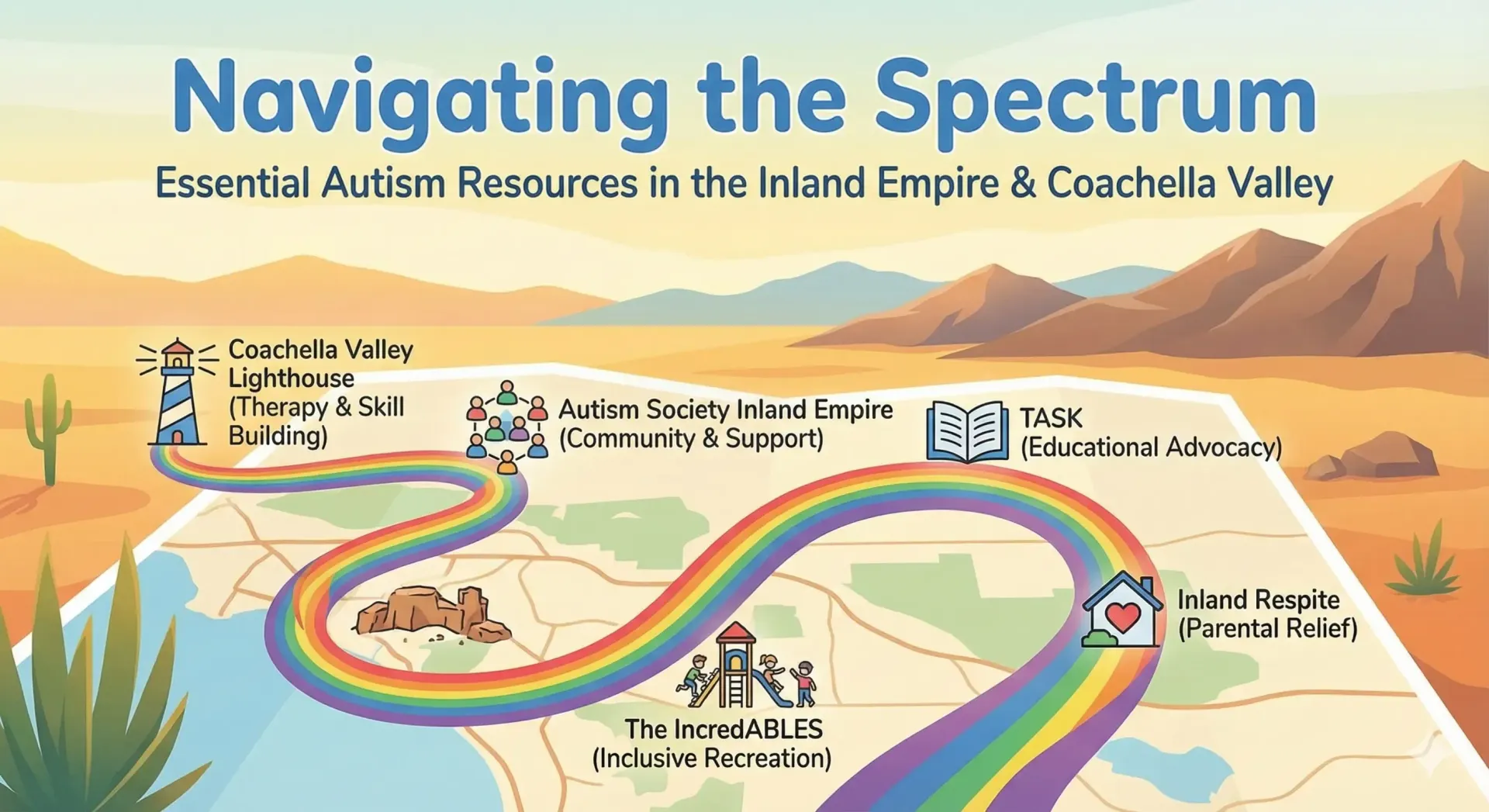
Tracking these details over time can reveal whether the main drivers are transitions, sensory buildup, communication strain, fatigue, pain, or something else. It can also show whether the same support strategies work across home, school, and community settings. If episodes are frequent, intense, unsafe, hard to interpret, or clearly interfering with daily life, it may be time to coordinate with a BCBA, pediatrician, or school team. Providers such as Coachella Valley Lighthouse often use this kind of pattern information to guide more individualized support.
How Caregivers and Educators Can Stay Aligned
Children do better when the adults around them are looking for the same kind of information, even if their responses are not identical in every setting. Home, school, and community environments have different demands, but the interpretation lens can stay consistent.
The most useful details to share are usually simple: what happened before the episode, what body cues appeared, what escalated the moment, what reduced distress, and what recovery looked like. That kind of information is far more helpful than a general report that the child “had a bad day” or “was just trying to get attention.”
Alignment does not mean forcing the same script everywhere. It means staying focused on regulation, dignity, safety, and skill-building instead of reacting from frustration or embarrassment. When adults share patterns clearly, they can respond more consistently without reducing the child to a label.
Decision Tool: What Does This Moment Need?
Use this quick decision path after a hard moment or before a similar situation happens again:
1. Is safety at risk right now?
If yes, move safety to the front. Create space, reduce hazards, and focus on protection before teaching.
2. Does the person seem able to pause, bargain, or redirect?
If yes, a calm boundary with coaching may help. If no, consider whether overload is limiting flexibility.
3. What load was building before the behavior?
Look for sensory input, waiting, transitions, hunger, fatigue, illness, pain, communication strain, or social pressure.
4. Are there clear overload cues?
Notice covering ears, bolting, collapsing, sobbing without negotiation, shutting down, or struggling to process language.
5. What happened when the environment changed?
If quieter space, fewer words, or lower demands helped, that supports an overload reading. If a clear yes or no answer changed the pattern quickly, that points toward a more goal-directed protest.
6. What did recovery look like?
Quick return after getting a desired outcome suggests one pattern. Exhaustion, confusion, shame, or a long recovery suggests another.
7. What follow-up is needed?
Decide whether the next step is home tracking, school coordination, a change in routine support, or professional review.
FAQ
How can you tell if it’s a meltdown or a tantrum?
Look at control, trigger buildup, body cues, and recovery. A tantrum is more likely to stay organized around a goal, while a meltdown is more likely to reflect overload and reduced control. Some moments are mixed, so the response should stay flexible.
Why does the difference matter so much in the moment?
Because the adult response changes. Overload usually needs reduced demands, co-regulation, and protection of dignity. Frustration may still need empathy, but it often also needs a clear boundary and coaching.
Can a tantrum turn into a meltdown?
Yes. A child can start in protest and tip into overload when fatigue, sensory strain, communication difficulty, or repeated demands pile on. That is why adults should keep reassessing as the moment changes.
What should you do during an autistic meltdown?
Prioritize safety, lower sensory input, reduce language, and help the child move toward regulation rather than demanding explanation or compliance in the peak of distress. Keep your presence calm and your words brief.
What should teachers or caregivers do when the signs are mixed?
Pause, observe, lower the pressure, and watch what changes the pattern. Document triggers, body cues, and recovery instead of forcing a fast conclusion. A response-matching approach is usually more effective than choosing one label too early.
When should you ask for professional support?
Seek support when episodes are frequent, unsafe, hard to interpret, clearly worsening, or disrupting home, school, or community life. It is also important to reach out when you suspect pain, illness, communication barriers, or broader regulation challenges are part of the pattern.